
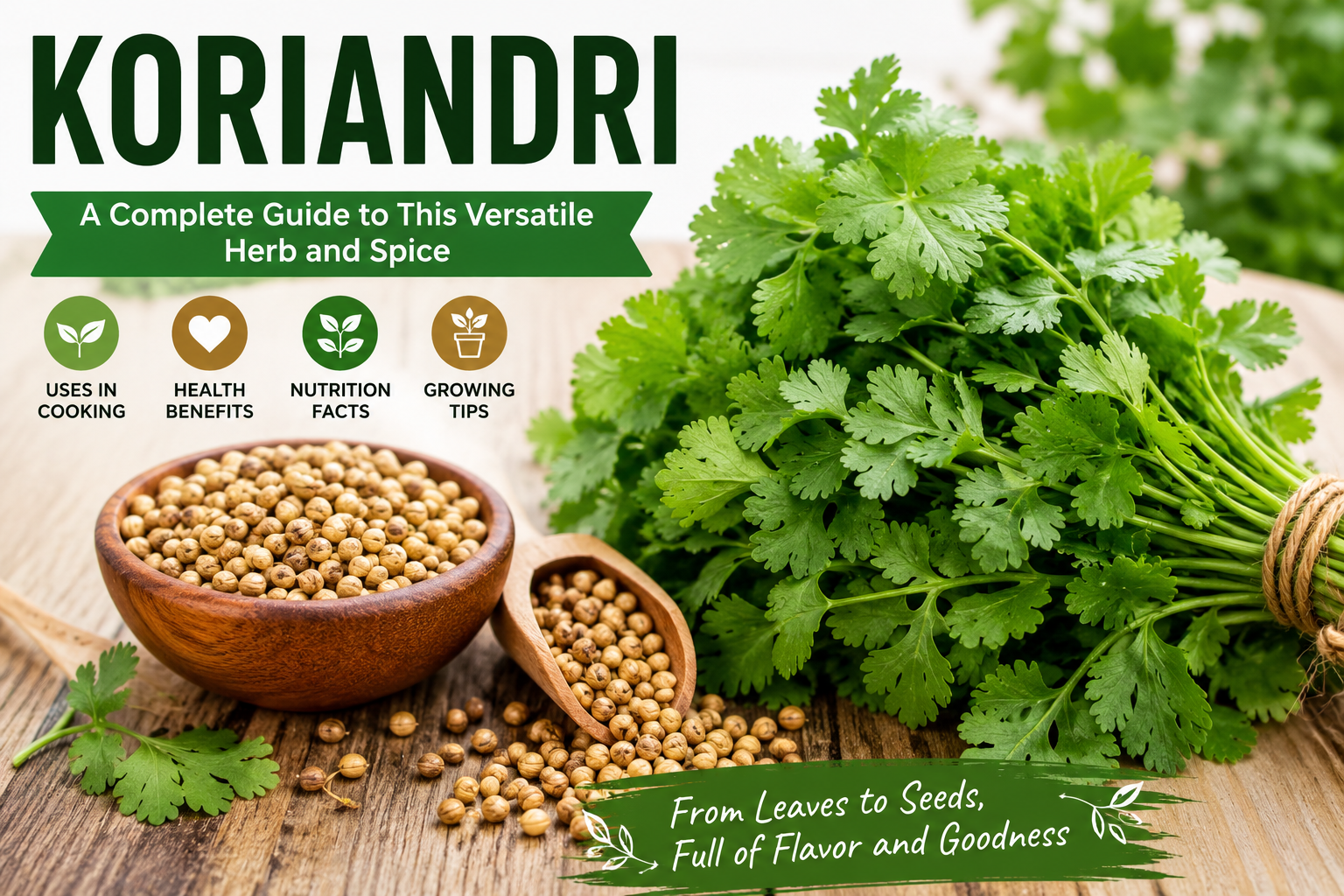
If you’ve spent any time exploring recipes from different parts of the world, chances are you’ve come across koriandri. Known as coriander in many countries and cilantro when referring to the leaves in the United States, this humble plant has been a kitchen favorite for centuries.
What makes koriandri so special is that it offers two ingredients in one plant. The fresh green leaves add a bright, refreshing flavor to dishes, while the dried seeds bring a warm, slightly citrusy taste that works beautifully in spice blends and cooked meals. From Indian curries and Mexican salsas to Middle Eastern stews and Southeast Asian soups, koriandri appears in countless traditional recipes.
I’ve always found it fascinating how one simple herb can taste so different depending on which part of the plant you use. In this guide, we’ll take a closer look at what koriandri is, where it comes from, its health benefits, and the many ways it is used around the world.
What Is Koriandri?
Koriandri comes from the plant Coriandrum sativum, a member of the parsley family. It has been cultivated for thousands of years and is believed to have originated in the Mediterranean region and parts of Western Asia.
Unlike many herbs that are valued for only one part of the plant, koriandri is useful from root to seed. The leaves are often used fresh, the stems add flavor to broths and sauces, and the seeds are dried and used as a spice.
Depending on where you live, you may hear it called:
- Koriandri
- Coriander
- Cilantro
- Chinese parsley
Although the names differ, they all refer to the same plant.
Why Koriandri Tastes Different in Different Forms
One of the reasons koriandri stands out is that the leaves and seeds taste almost like they come from two different plants.
Fresh Leaves
Fresh koriandri leaves have a bright, slightly citrusy flavor that instantly adds freshness to a dish. They’re commonly sprinkled over finished meals or blended into sauces and chutneys.
Popular uses include:
- Tacos and burritos
- Fresh salsa
- Chutneys
- Soups
- Salads
- Rice dishes
Interestingly, some people say coriander leaves taste a bit like soap. Scientists have linked this reaction to genetics, which explains why opinions about cilantro can be surprisingly strong.
Coriander Seeds
The seeds have a much milder flavor. Once dried, they develop warm, nutty, and slightly sweet citrus notes that make them ideal for cooking.
Ground coriander is frequently added to:
- Curry powders
- Meat rubs
- Marinades
- Roasted vegetables
- Pickles
- Bread recipes
Because the flavor is gentle and balanced, coriander seed is one of the most widely used spices in the world.
Nutritional Benefits of Koriandri
While most people use koriandri for its flavor, it also contains a variety of nutrients.
Fresh leaves provide:
- Vitamin A
- Vitamin C
- Vitamin K
- Folate
- Potassium
The seeds contain:
- Fiber
- Iron
- Magnesium
- Calcium
- Antioxidant compounds
Although koriandri is usually consumed in small amounts, these nutrients can still contribute to a healthy diet over time.
Potential Health Benefits
For generations, different cultures have used koriandri not only in cooking but also as part of traditional wellness practices.
May Support Digestion
Coriander seeds have long been used in herbal remedies aimed at supporting digestion. Many people drink coriander tea after meals to help reduce bloating and discomfort.
Contains Natural Antioxidants
Koriandri contains plant compounds that help protect the body from oxidative stress. Antioxidants are important because they support overall health and help protect cells from damage.
May Help Maintain Healthy Blood Sugar Levels
Some studies suggest that coriander seeds contain compounds that may support normal blood sugar regulation. While more research is needed, the findings have generated growing interest among nutrition experts.
Supports Heart-Friendly Eating
Fresh koriandri adds flavor without requiring extra salt, sugar, or high-calorie sauces. This makes it an easy ingredient to include in balanced meals.
How Koriandri Is Used Around the World
Few herbs have traveled as widely as koriandri. Today, it plays an important role in cuisines across nearly every continent.
India
In Indian cooking, coriander seeds are a key ingredient in spice blends such as garam masala and curry powder. Fresh leaves are often added just before serving to provide freshness and color.
Mexico
Fresh cilantro is a staple ingredient in Mexican cuisine. It adds flavor to tacos, guacamole, salsa, and many street-food favorites.
Middle East
Many Middle Eastern dishes rely on coriander seeds for their warm, aromatic flavor. The herb is also used in soups, salads, and meat dishes.
Thailand and Vietnam
Fresh coriander leaves and roots are commonly used in Southeast Asian cooking. They bring depth and fragrance to noodle soups, stir-fries, and dipping sauces.
Europe
Across Europe, coriander seeds have traditionally been used in baked goods, sausages, and pickled foods.
Growing Koriandri at Home
One thing I appreciate about koriandri is how easy it is to grow. Even a small garden or balcony container can produce a steady supply of fresh leaves.
For best results:
- Plant seeds directly into well-drained soil.
- Give the plants plenty of sunlight.
- Water consistently but avoid overwatering.
- Harvest leaves regularly to encourage new growth.
- Allow some plants to flower if you want to collect coriander seeds.
Most varieties grow quickly, making them a great option for beginner gardeners.
Tips for Storing Koriandri
Fresh koriandri can lose its flavor quickly if stored incorrectly.
Fresh Leaves
Store the leaves in the refrigerator and keep them slightly moist. Wrapping them in a damp paper towel can help extend freshness.
Dried Seeds
Whole coriander seeds should be stored in an airtight container away from heat and direct sunlight. When stored properly, they can retain their flavor for many months.
Fun Facts About Koriandri
Here are a few interesting facts about this versatile plant:
- Coriander is one of the oldest herbs cultivated by humans.
- Seeds have been found in archaeological sites dating back thousands of years.
- The leaves and seeds have completely different flavor profiles.
- Both the leaves and seeds are used extensively in global cuisine.
- Coriander appears in recipes from Asia, Europe, Africa, and the Americas.
Final Thoughts
Koriandri has earned its place as one of the world’s most beloved herbs and spices. Its fresh leaves add brightness to dishes, while its seeds bring warmth and depth to countless recipes. Beyond its culinary value, it also offers nutritional benefits and a rich history that stretches back thousands of years.
Whether you’re growing it in your garden, adding it to a homemade curry, or sprinkling fresh leaves over your favorite meal, koriandri is a simple ingredient that can make a noticeable difference in flavor.
If you found this article informative, feel free to check out our other articles as well.
Frequently Asked Questions About Koriandri
1. What is Koriandri?
Koriandri is another name for coriander (Coriandrum sativum), a popular herb and spice used worldwide. Its fresh leaves are often called cilantro, while its dried seeds are known as coriander seeds.
2. Is Koriandri the same as cilantro?
Yes. Koriandri, coriander, and cilantro come from the same plant. In the United States, “cilantro” usually refers to the fresh leaves, while “coriander” refers to the seeds.
3. What does Koriandri taste like?
Fresh koriandri leaves have a bright, citrusy, and slightly peppery flavor. The seeds offer a warm, nutty, and mildly sweet taste with hints of citrus.
4. What are the health benefits of Koriandri?
Koriandri contains antioxidants, vitamins A, C, and K, as well as minerals like iron and magnesium. It may support digestion, heart health, and overall wellness when included in a balanced diet.
5. How is Koriandri used in cooking?
Koriandri is used in many ways, including:
- Garnishing curries and soups
- Making salsa and chutneys
- Seasoning meat and vegetables
- Flavoring spice blends and marinades
- Adding freshness to salads and rice dishes
6. Can I grow Koriandri at home?
Yes. Koriandri is easy to grow in containers, gardens, or raised beds. It prefers well-drained soil, regular watering, and plenty of sunlight.
7. Are coriander seeds and coriander leaves interchangeable?
Not usually. The leaves and seeds have different flavor profiles. Fresh leaves add brightness, while the seeds provide warmth and depth in cooked dishes.
8. Why do some people dislike the taste of Koriandri?
Some people have a genetic variation that causes them to perceive fresh coriander leaves as having a soapy taste. This is a natural difference in taste perception.
9. How should I store fresh Koriandri?
Fresh koriandri should be kept in the refrigerator. Wrapping the stems in a damp paper towel or placing them in a container with a small amount of water can help maintain freshness.
10. Is Koriandri used in cuisines around the world?
Yes. Koriandri is widely used in Indian, Mexican, Middle Eastern, Southeast Asian, African, and European cuisines, making it one of the most versatile herbs and spices globally.